
Competitive gaming has completed its transition from niche subculture to mainstream entertainment industry. Esports in 2026 isn’t a novelty anymore, it’s a structured, global business generating billions in revenue and attracting audiences that rival traditional sports in key demographics.
But the industry is also at an inflection point. The early hypergrowth phase has cooled. Investor expectations are recalibrating. And the organizations that will thrive in the next decade are those adapting to a more mature, sustainable market rather than chasing the explosive expansion of the previous era.
Here’s where esports stands today, and where it’s headed.
Revenue Growth Is Shifting Sources
The headline revenue figures for esports continue to climb, but the composition of that revenue is changing.
Sponsorship deals, which drove much of the early growth, are becoming more selective. Brands are no longer throwing money at esports for novelty value, they’re demanding measurable returns, audience engagement data, and brand-safe environments.
Media rights deals have taken on greater importance. Broadcasting partnerships with mainstream networks and streaming platforms are providing more stable, recurring revenue than tournament-by-tournament sponsorship cycles. The organizations that locked in multi-year media deals early are now reaping the benefits of that foresight.
Merchandise and direct-to-consumer revenue streams are also maturing. Teams with strong brand identities are generating meaningful income from apparel, collectibles, and digital products; revenue that doesn’t depend on tournament performance.

Regional Markets Are Diverging
The global esports landscape looks very different depending on where you focus.
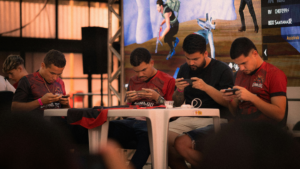
- Southeast Asian markets continue to drive mobile esports growth, with titles optimized for smartphone play attracting massive audiences. The infrastructure for professional mobile gaming (organized leagues, dedicated venues, broadcast production) has developed rapidly in this region.
- In North America and Europe, the focus has shifted toward franchise-model leagues that mimic traditional sports structures. Fixed team rosters, revenue sharing, and regulated player contracts are becoming standard. This professionalization brings stability but also raises operating costs, which has forced some organizations to consolidate or exit.
- The Middle East and North Africa have emerged as significant growth markets, with government-backed investment in esports infrastructure and events. Several nations are positioning esports as part of broader entertainment and tourism strategies, creating opportunities for organizations willing to establish regional presence.
Player Welfare Is Finally Getting Attention
One of the most important developments in professional esports is the growing focus on player health and career sustainability. Burnout, repetitive strain injuries, and mental health challenges have plagued competitive gaming for years, but the industry is finally implementing structural responses.
Team organizations are investing in performance coaches, sports psychologists, and physical training programs. Player contracts increasingly include health benefits and minimum salary requirements. And retirement planning, long ignored in an industry where competitive careers average three to five years, is becoming part of the conversation.
These changes matter not just for current professionals but for the long-term legitimacy of esports as a career path. Parents and young players are more likely to take competitive gaming seriously when the ecosystem demonstrates it cares about the people inside it.
What’s Next
The esports industry’s next chapter will be defined by sustainability rather than spectacle.
Organizations that build loyal fan bases, diversify revenue streams, and invest in player development will outlast those still operating on hype-cycle economics.
For viewers and fans, the product on screen has never been better. Production quality rivals traditional sports broadcasts. Storytelling around players and teams has improved dramatically. And the competitive level across major titles continues to rise as the talent pipeline deepens globally.
Esports isn’t the future anymore, it’s the present. The question now is which organizations and which games will define the next era of competitive entertainment.
If you’re on the casual end of the gaming spectrum, we’ve also rounded up the best mobile games for casual players in 2026. And for a wider view of where digital entertainment is heading beyond gaming, check out our analysis of the rise of online entertainment platforms.